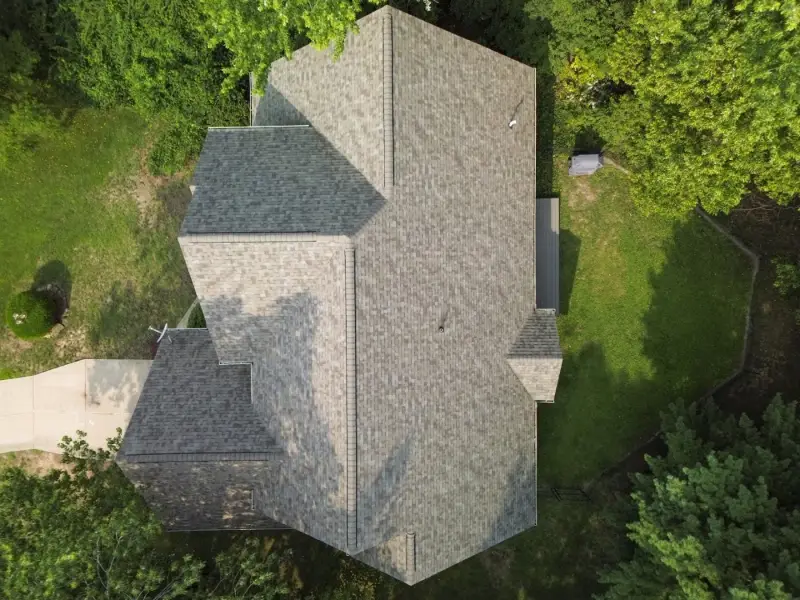
Freeze-thaw cycles, ice dams, wet snow and a yard full of leaves all test a roof between November and March. Here is what to check this fall, and what to leave to a roofer.
Excellence You Can TrustNow Serving PittsburghFree EstimatesInsurance Claim HelpLifetime Product Warranty24/7 Emergency RoofingRoofs, Siding, Gutters, Windows
Excellence You Can TrustNow Serving PittsburghFree EstimatesInsurance Claim HelpLifetime Product Warranty24/7 Emergency RoofingRoofs, Siding, Gutters, Windows
Excellence You Can TrustNow Serving PittsburghFree EstimatesInsurance Claim HelpLifetime Product Warranty24/7 Emergency RoofingRoofs, Siding, Gutters, Windows
Excellence You Can TrustNow Serving PittsburghFree EstimatesInsurance Claim HelpLifetime Product Warranty24/7 Emergency RoofingRoofs, Siding, Gutters, Windows
Home MaintenancePublished 4 min read
Pittsburgh winters are not always the coldest, but they are hard on roofs. Temperatures swing above and below freezing, wet snow piles up, and the leaves that come down every fall clog gutters right before it all starts. Here is how winter affects a roof and a practical fall checklist to help you get ready, without ever climbing onto the roof yourself.
How Pittsburgh winters affect a roof
Freeze-thaw cycles
Many winter days in Pittsburgh hover around freezing. Snow melts in the afternoon sun, water seeps into small gaps, and then it freezes again overnight. Water expands as it freezes, so every cycle can widen a crack in a shingle, lift a piece of flashing, or open up old sealant around a vent or chimney. Small weaknesses that went unnoticed all year can turn into leaks by spring.
Ice dams
An ice dam forms when snow on the upper roof melts, runs down, and refreezes at the colder roof edge. The ridge of ice traps more meltwater behind it, and that water can back up under the shingles and into the attic or walls. Ice dams are usually linked to heat escaping into the attic, limited attic ventilation, and clogged gutters that hold ice along the edge.
Heavy, wet snow
Wet snow is much heavier than light, powdery snow. Most roofs handle normal snowfall well, but heavy loads can stress an older roof, a sagging section, or a low-slope area like a rear addition or porch roof. Watch for snow that drifts deeply in valleys or against a wall.
Fall leaves and branches
With so many mature trees around the city, leaves pile up in gutters, valleys and behind chimneys every fall. Wet leaves hold moisture against the roof and can block water from draining. Overhanging limbs can rub shingles in the wind or break under the weight of ice and snow.
Roof features that need extra attention
Some parts of a roof tend to cause more winter trouble than others. Many Pittsburgh homes have several of them on one house:
Valleys, where two roof slopes meet and water and debris collect.
Chimneys and the flashing around them, especially on older brick homes.
Dormers and complex rooflines with many angles and joints.
Low-slope rear roofs on rowhouses and additions, where water and snow sit longer.
Small porch roofs that tie into the main wall of the house.
Plumbing vents, exhaust vents and skylights.
A practical fall checklist for homeowners
Please do not climb onto your roof. Roofs are steep, often slippery with leaves or frost, and falls are a serious risk. Everything on this list can be done from the ground, from inside the house, or with a professional.
Look at the roof from the ground with binoculars. Check for missing, cracked or curled shingles, dark patches, and anything that looks lifted or out of place.
Check around chimneys, vents and skylights from the ground for loose or bent flashing.
Watch the gutters during a rain. If water spills over the edge instead of running out the downspouts, they likely need cleaning or repair. Our guide to gutters and gutter guards explains the warning signs.
Make sure downspouts empty away from the foundation and not onto steps or walkways that could freeze.
Have overhanging branches trimmed by a qualified tree service, especially limbs that hang directly over the roof.
Go into the attic with a flashlight. Look for water stains, damp insulation, daylight coming through the roof deck, or signs of animals.
Check interior ceilings, especially near exterior walls and on the top floor, for new stains or bubbling paint.
Make sure attic vents are not blocked by insulation, stored items or debris.
Note anything you find with photos so a roofer can see exactly what you saw.
If you notice several warning signs, our article on signs your roof needs replacement can help you think about whether repair or replacement is more likely.
What to do if problems show up during winter
Even with good preparation, winter can still cause trouble. A few sensible steps:
If you see a leak, put a container under it, move valuables, and take photos of the damage.
Do not try to chip ice dams off the roof or climb up to clear snow. That can damage shingles and is dangerous.
Use a long-handled roof rake from the ground only if you can do it safely and stay clear of power lines.
Call a roofer for an inspection, and for an active leak, ask about emergency tarping until a permanent repair can be made.
Why fall is the right time for a roof inspection
A professional inspection can also catch things that are hard to see from the ground, such as worn sealant around vent boots, nails backing out, soft spots in the roof deck, or flashing that has separated from a chimney. On older homes, it is also a chance to check how well the attic is ventilated and insulated, since both play a part in ice dams.
Fall usually gives you a window of mild, dry weather before the first hard freeze. Small repairs, like resealing a vent boot, refastening flashing or replacing a few shingles, are easier to handle before snow and ice arrive. Fixing them now can keep a minor issue from becoming a winter leak.
Straight A Exterior Renovations offers free roof inspections for Pittsburgh homeowners. We check the roof, flashing, gutters and attic signs, document what we find with photos, and explain it plainly. If something needs work, you get a detailed, line-by-line written quote. If a leak shows up in the middle of winter, we also offer 24/7 emergency roofing to stop active leaks. To schedule a fall check, visit our roof inspections page or contact us.
Stay safe, stop the water, document everything and get the roof inspected before you accept a quick patch. A step-by-step guide for the hours and days after a storm.
Granule loss, curling shingles, repeat leaks and a soft deck are the signs that matter. What to look for from the ground and the attic, and what each one tells you.
A few lifted shingles can often be repaired. Widespread wear usually means a new roof is the better value. How to weigh age, damage, cost and your plans for the house.